Passive houses
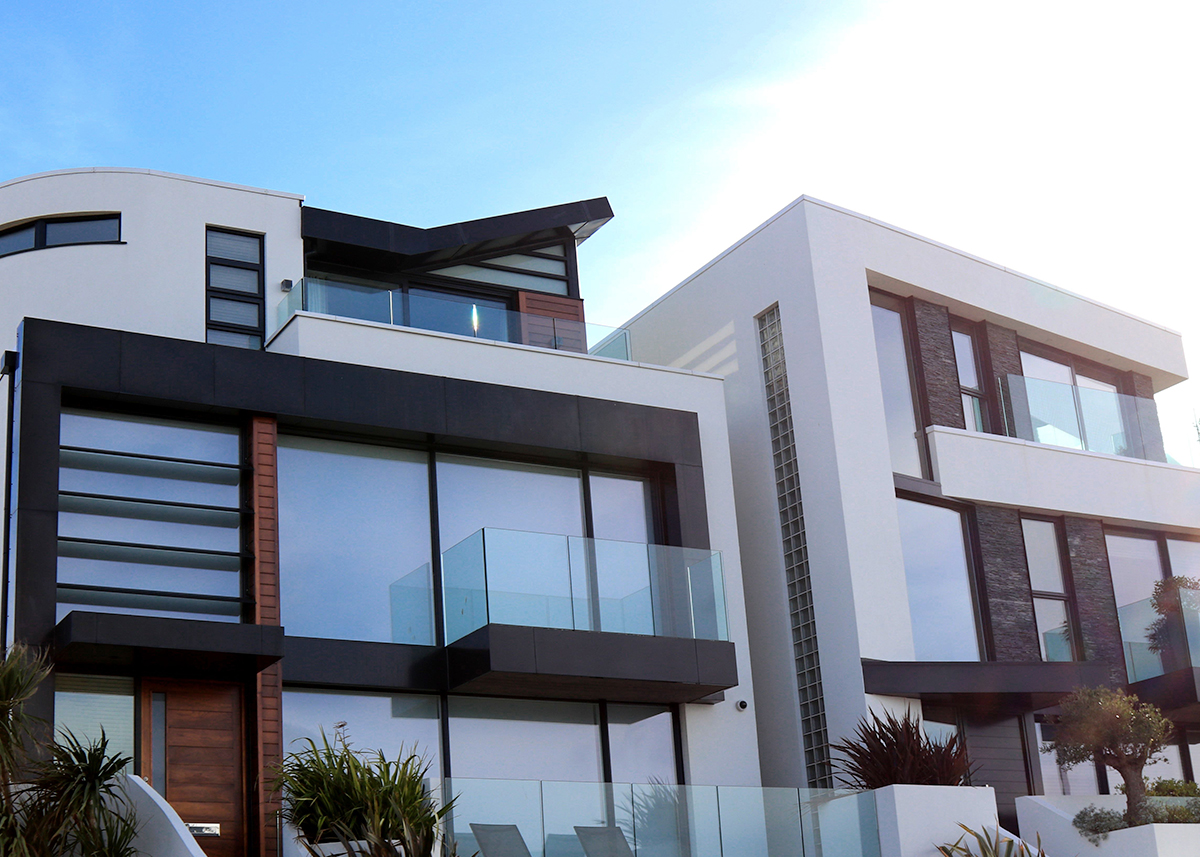
The concept of passive houses emerged in Germany in the early 1990s. This idea is based on making an efficient building that seeks to reduce energy consumption as much as possible. Bioclimatic or efficient architecture resources are used, and they seek almost zero consumption of the building.
From Agenthia we want to explain the different benefits and characteristics that these constructions have:
- Minimum energy consumption. They offer a stable ambient temperature throughout the year, minimum 20 ° in winter and maximum 25 ° in summer.
- Thermal isolation. Isolation is one of the most important points. A passive house has to have insulating materials for heat and also for cold. With quality thermal insulation and with sufficient quantity, heat losses are very limited.
- Air tightness. Any air leak must be avoided. Cracks, holes have to be watched ... When building a passive house these weak points are taken into account and in this way there are no air infiltrations.
- Avoid or eliminate thermal bridges. That is, detect the points where the heat leaks and repair them.
- Quality doors and windows. To ensure maximum efficiency, they must have at least two or three glasses.
- Mechanical ventilation with heat recovery. Ensure that the air inside the home is healthy without any variation in temperature.
In conclusion, passive houses are efficient, sustainable and profitable. Thanks to the minimum energy consumption they offer, they are energy efficient, since they take advantage of solar energy indirectly, they are profitable because even if the prices are higher, this investment is easily recovered with the annual savings in energy consumption. Ultimately, this type of construction is good for us and good for the planet.