How to save energy at home?

In our day-to-day lives, saving energy has become a fundamental objective to reduce household expenses and, at the same time, contribute to the preservation of the environment. The good news is that saving energy at home doesn't have to be expensive or complicated. In this blog, we present ten effective and economical ways to reduce your energy consumption and, at the same time, your utility bills.
- LED bulbs for greater savings: LED bulbs are a brilliant option for saving energy. Despite their slightly higher initial cost, LED bulbs consume significantly less energy than conventional incandescent bulbs.
- Unplugging electronic devices in standby mode: It can be surprising how much energy electronic devices consume when they are in standby mode. The solution is simple: unplug or use power strips with switches to turn off multiple devices in one fell swoop.
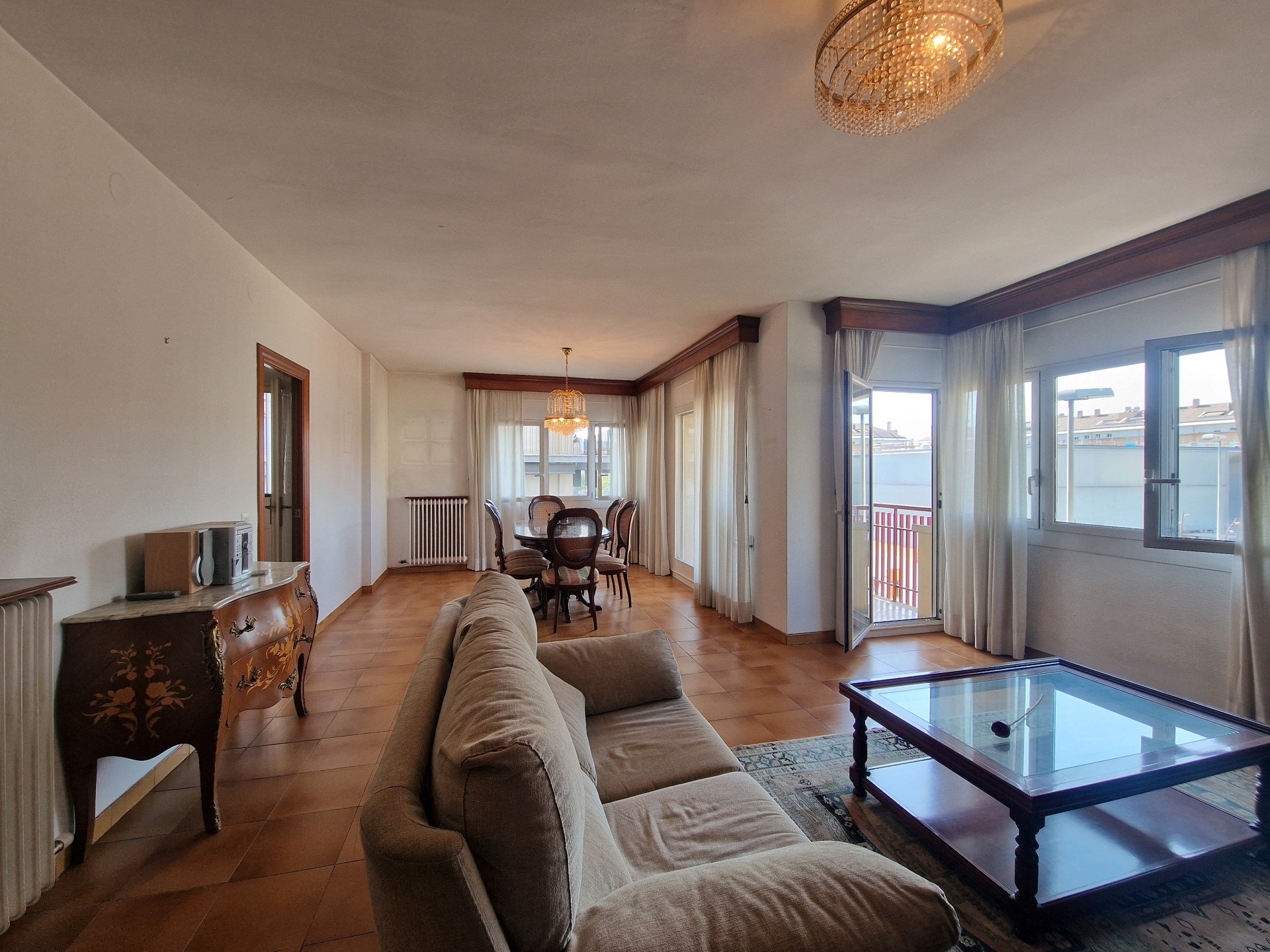
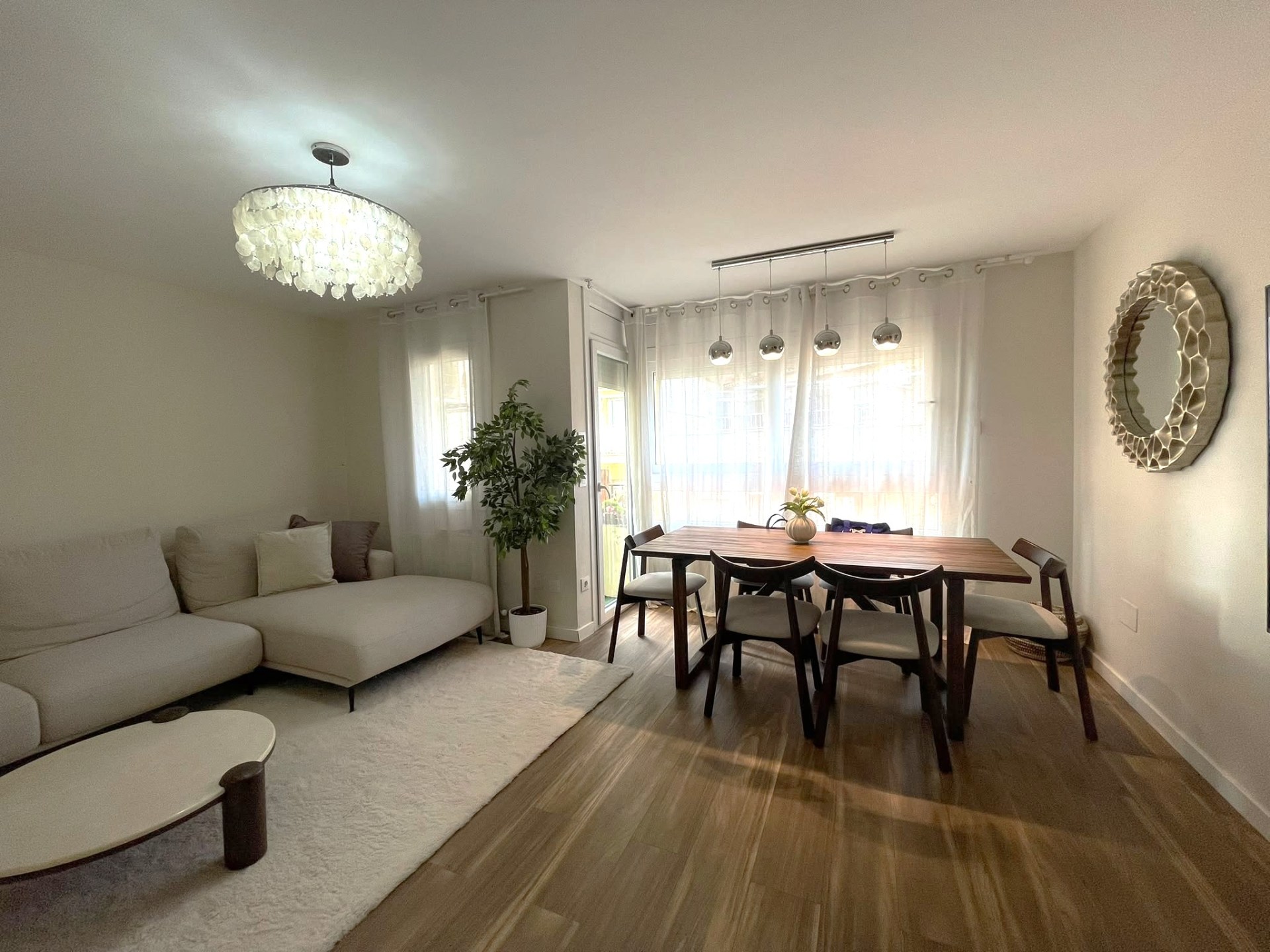
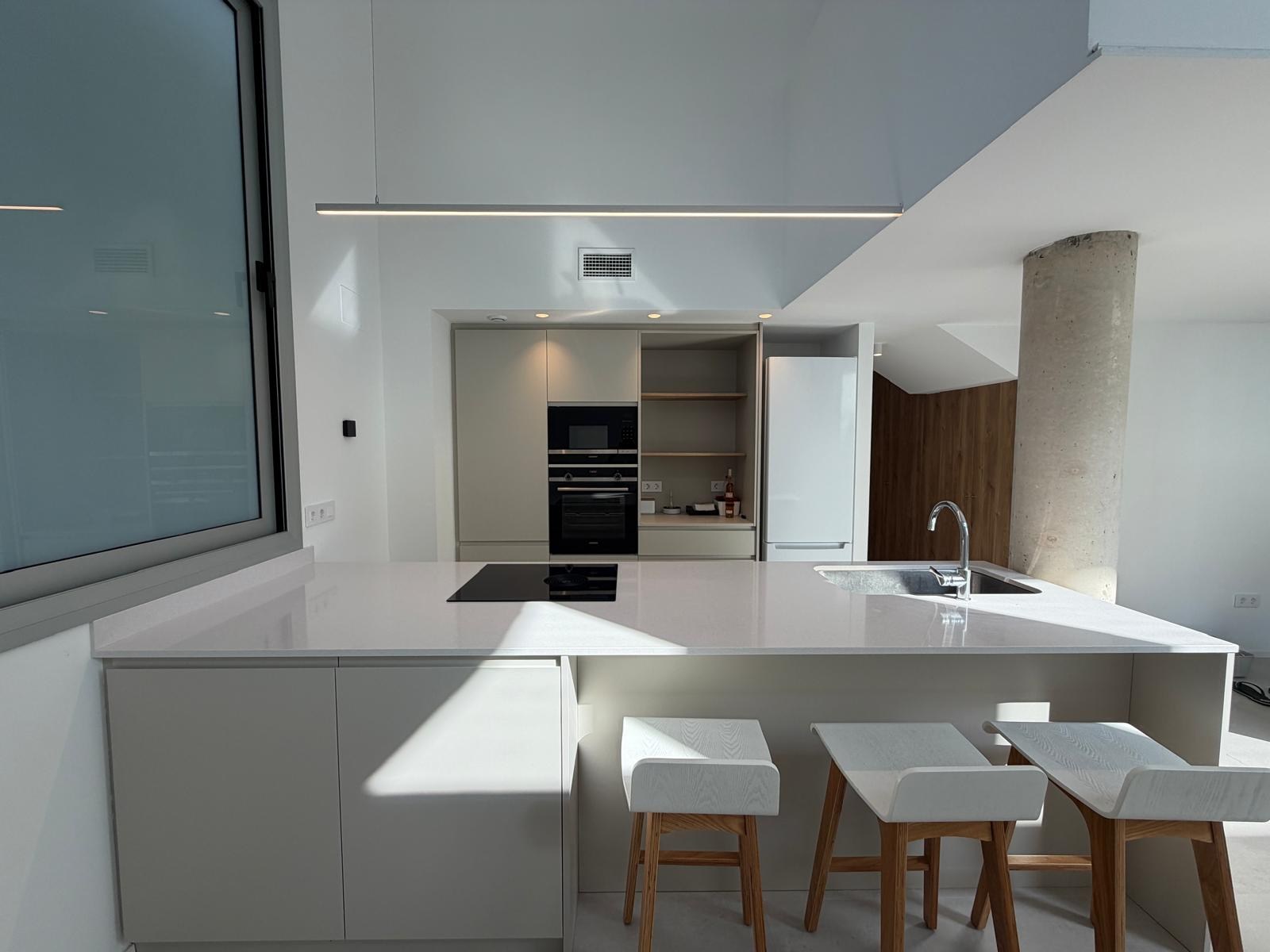
- Take advantage of natural light: Artificial light is often necessary, but don't underestimate the power of natural light. Keep curtains and blinds open during the day to allow sunlight to illuminate your home. Also, in winter, it is advisable to make the most of the sunshine hours to get natural warmth.
- Efficient insulation for your home: If you want to keep your home cosy during the winter and cool during the summer, make sure it is well insulated. By sealing windows and doors, and adding insulation in the attic and walls, you can significantly reduce your heating and cooling costs.
- Program your thermostat for effective savings: A programmable thermostat is an investment that can save you money in the long run. It automatically adjusts the temperature in your home when you are not there. Lowering the temperature in winter and raising it in summer while you're away can generate substantial savings on your energy bills.
- Washing clothes in cold water: Most modern washing machines operate efficiently with cold water. Using hot water consumes much more energy and, as well as saving money, washing clothes in cold water can extend the life of your clothes.
- Appliance maintenance: Caring for and maintaining your appliances is key. Dirty filters and clogged coils make your appliances work harder to maintain the same efficiency.
- Cook efficiently: On the cooker, use pots and pans that fit the size of the burners to avoid heat loss. Use lids on pots to retain heat and cook on low heat whenever possible.
- Optimise the use of warm areas of your home: During the coldest times of the year, it is common to spend most of the time in the living room, as it is usually the warmest room. Reducing the use of dispersed spaces in the house can avoid the use of multiple heating devices.
- Take advantage of natural ventilation: Instead of turning on the air conditioner or exhaust fan, open windows to allow fresh air to circulate. This can cool your home in summer and reduce the need for fans or air conditioning. In winter, natural ventilation can also help renew the air and improve the efficiency of your heating system.
In short, saving energy at home is neither complicated nor expensive. Small changes to your daily habits and the way you manage your devices and appliances can make a significant difference to your energy bills, while helping to conserve the environment. Start saving energy today!